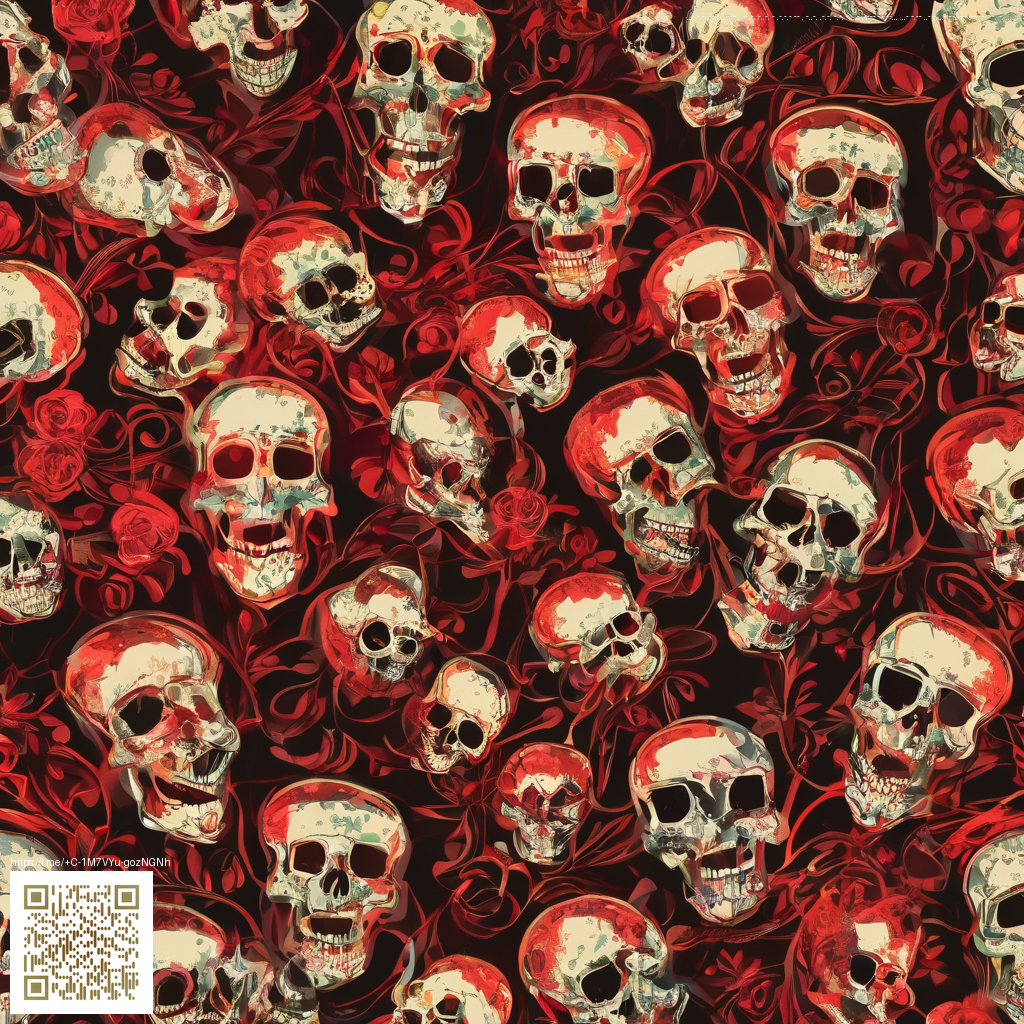
Creating and selling digital zine layouts isn’t just about pretty pages—it’s about turning a craft into a reliable, scalable product. Designers who master the fluid boundary between art and asset know that a well-packaged layout pack can become recurring revenue. In this practical guide, we’ll walk through how to turn your zine layouts into polished digital products that customers return to, season after season.
From idea to asset: structuring your zine layouts for sale
Think of your zine layout as a modular system: a handful of templates, a clear license, and a few extra extras that add value. The most successful digital zine offerings are not one-off PDFs; they’re curated bundles that can be customized by the buyer with minimal effort. Start by outlining a core set of templates—cover pages, interior spreads, typography pairings, and photo placeholders. Then layer in variations: color palettes, alternate grids, and editable text blocks. This approach makes your product flexible for different genres—horror zines, indie art zines, or sci‑fi zines—without requiring you to rebuild the wheel for every project.
“A great template feels like a canvas with ready-made scaffolding—enough freedom to personalize, enough structure to stay cohesive.”
Packaging and file formats
Deliver your layouts in multiple formats to accommodate different workflows. A robust offering might include:
- Editable InDesign or Affinity Publisher files for advanced users
- Print-ready PDFs with bleed and printer marks
- PDFs optimized for quick previews on screens
- Canva-ready templates for non-designers
- A detailed readme with typography notes, color codes, and usage tips
claro, including a brandable add-on like a small merchandise item can broaden the appeal. For example, a branded product such as a Custom Rectangular Mouse Pad (9.3x7.8) with non-slip backing can be a tangible companion to your digital layouts—illustrating how a business can diversify its offerings. You can explore options like this product here: https://shopify.digital-vault.xyz/products/custom-rectangular-mouse-pad-9-3x7-8-non-slip-backing.
Licensing, pricing, and rights
Set licensing that protects your work while remaining fair to buyers. Common models include:
- Single-use licenses for personal projects
- Extended licenses for commercial use in client projects
- Commercial bundles that unlock unlimited runs for a defined period
Price your bundles based on depth, breadth, and exclusivity. A practical approach is tiered pricing: a basic pack with a few templates, a mid-tier bundle with additional colorways and guides, and a premium offer that includes a private feedback session or custom color grading. Transparent licensing information, clear file organization, and a quick-start guide add perceived value and reduce post-purchase support.
Distribution channels and discoverability
Choose platforms that align with your audience. Etsy and Gumroad remain popular for indie designers, but you can also build a storefront on Shopify or a marketplace tailored to creatives. The key is to optimize product descriptions with practical keywords—template names, layout features, and compatible programs. A compelling demo preview boosts conversion; consider including a short video or a flip-through GIF that shows how the layouts adapt to different zine themes.
Marketing a digital zine layout
Marketing is about demonstrating value beyond the pixels. Create a few evergreen use cases: a horror zine, a diary-style publication, or a music-issue concept. Include sample spreads or a teaser pack to illustrate versatility. Offer a free sampler with a CTA to join your mailing list for updates and discounts. Visuals matter: ensure your product thumbnails convey mood, typography, and layout rhythm at a glance.
Quality, support, and community
Quality boots your credibility. Test your templates across different devices and printing setups, and gather feedback from early buyers. Quick, friendly support turns first-time buyers into repeat customers. Consider building a small design resource library—font pairings, palette swaps, and editorial guidelines—that complements your core products and fosters community around your brand.
As you assemble your portfolio, remember that digital zine layouts are not just files; they’re a toolkit for creators. The more you demystify the editing process and provide clear, practical guidance, the more buyers will see your work as an indispensable starting point for their own issues and experiments.